In the ”Sex Ed.” unit of high school Health class, we learn about consent. To support giving and getting permission there are “bottom line statements,” such as “it is never okay to have sex with a person who is unconscious.” or “you cannot tell if someone has an STD by looking at them.” These values sit with seeing the other person as a human, and treating them as someone with gifts, desires, and skills just as you have them.
As you continue to read, my hope is that you find connections between creating a habit in your mind and how it can change our body, which then can change your community.
A building block to making informed decisions is values, which are essentially the ground to build from, the “bottom line.” When we learn to value people and the connection, even in our most influenced and vulnerable states of mind, our natural reaction becomes positive. Having a thinking system as the foundation of action consists of quality things to stay resilient, influential, and ultimately energizing. Connection with others is energizing. Sources of similar systems can optimize activities that we are already: cardio in nature, educational podcast while cleaning, studying after exercise.
— when we learn at the core level to value other people, it can connect us with more people to help us along our way. [enter the ‘ol adage: it’s not what you know, it’s who you know.”]
It’s in this season that we notice and reflect: who in my life is giving me energy and who is taking it. We should also ask, how is my energy, and what am I doing with it? How am I receiving energy, and recharging. Being in our body means sitting down silent enough to hear the bottom, our inner core, and recognizing the voice. An intuitive punch, an urge to lean in, to do the right thing, to reconsider the next action, guidance to boundaries; ultimately an opportunity to override the next reactive action.
Bottom line statements can also sound like affirmations- I am worthy of a healthy relationship, I can do this hard thing, I say enough is enough and can walk away. This is a narrative that we have to learn, it does not come pre-programmed, and in fact, it’s downloaded into our internal monologue most deeply between the ages 1-5. AND can up updated anytime we catch a thought and tell it “that’s not true.”
It’s lucky for you if you did learn these bottom line statements in high school health, or you did take part in some type of leadership/character development class, and especially if you had parents or role models that taught you the value of humanity. Updating a set of core values to connect us to one-another is probably already in your peripherals and you can resonate with this, as you’ve found yourself here, still reading, I can guess you’re a person who cares, so go with that. If it’s not, I’ve probably already offended you but still, I’m glad you’re here.
At some point in our adult life- and maybe multiple times- we’ve woken up to society, our community, or even our closest relationships and have seen the truth of our connection in two ways: 1. being so at peace, and wishing it to be for everyone in the world, or 2. after hitting a rock bottom experience that shines a light of the mirror of reality. It’s usually the 2nd that causes a sense of urgency to change our environment, forcing us to reflect on our energy sources. We are either participating in receiving help, or giving the help. Unfortunately, there is another option, and that people and politics that take away from this system of love and gratitude.
I’m going to expand on an idea about how I believe having a system for updating our thoughts can change who we are, and why this is important to the world. Our “alertness,” is a combination of our scope of internal-awareness (how pleasant are we) and the of energy within us- our typical quadrants that exist when we reflect on our human body experience (we’ll call this “space”). We can add a 4th dimension to this spatial experience when we bring in the element of time. By using memories of where have we been, and visions of where we want to go, plus becoming aware of our energy influences our perception to add context to our actions can equal positive changes in action.
Our conscious brain can choose to add meaning, update meaning, or disregard it. However, our unconscious brain does it for us already, thus the importance of connecting with positive values and healthy “bottom line statements.”
In a “state of gratitude,” specifically when we choose to feel into a mindset of helping, receiving help, and sitting with a person as they process their experience, we can achieve a prolonged state of energy, motivation, and resilience. When we choose to feel into a connection, we can override negative habits of isolation, choosing or feeling shame, and even self talk of unworthiness,. The value here is connection, and it’s influential to this moment, and our future moments in a positive physiology way.
Article continued below diagramed pictures of “gratitude.” Reference: Podcast “The science of a gratitude practice. by Dr. Andrew Huberman.
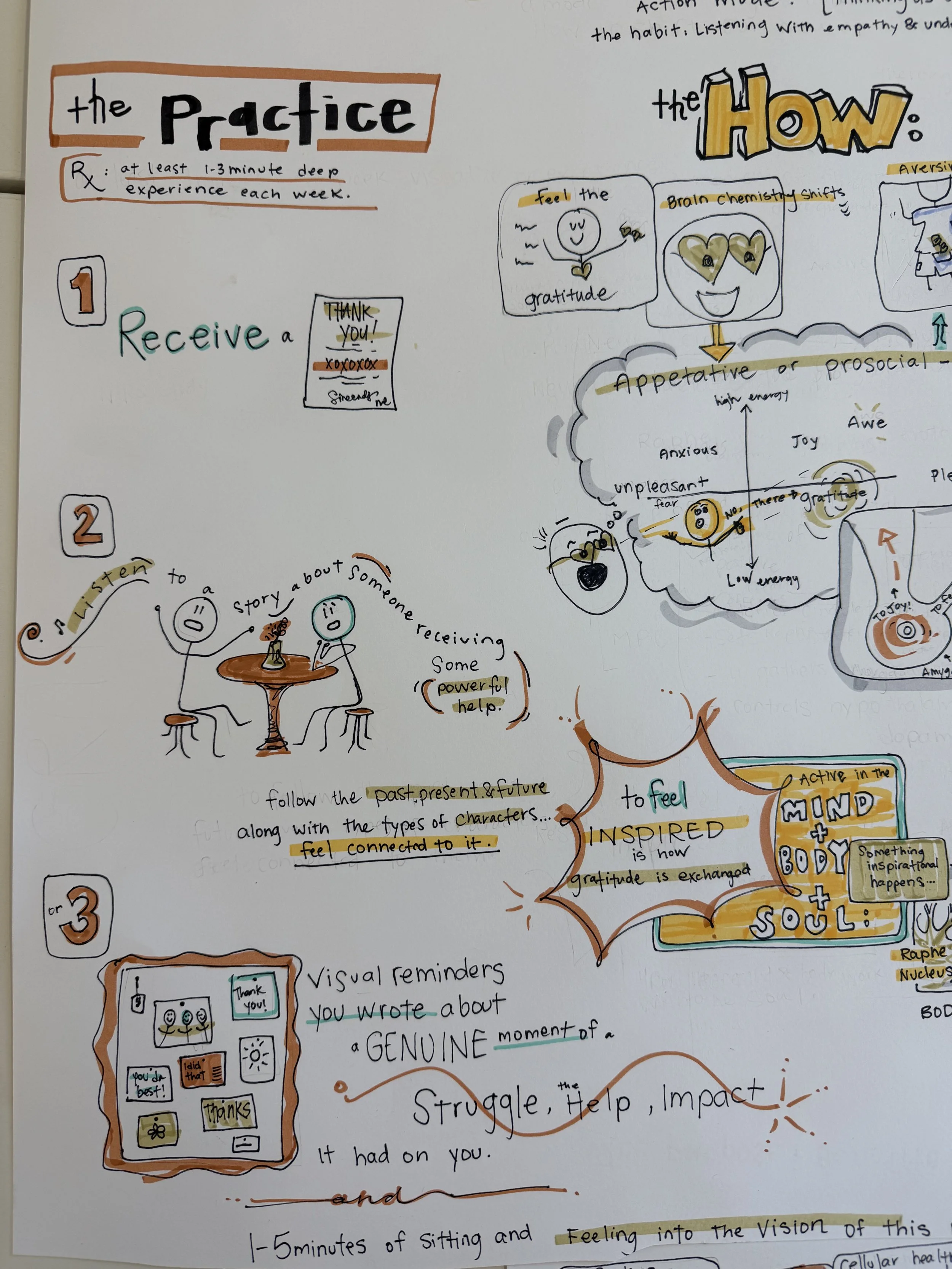
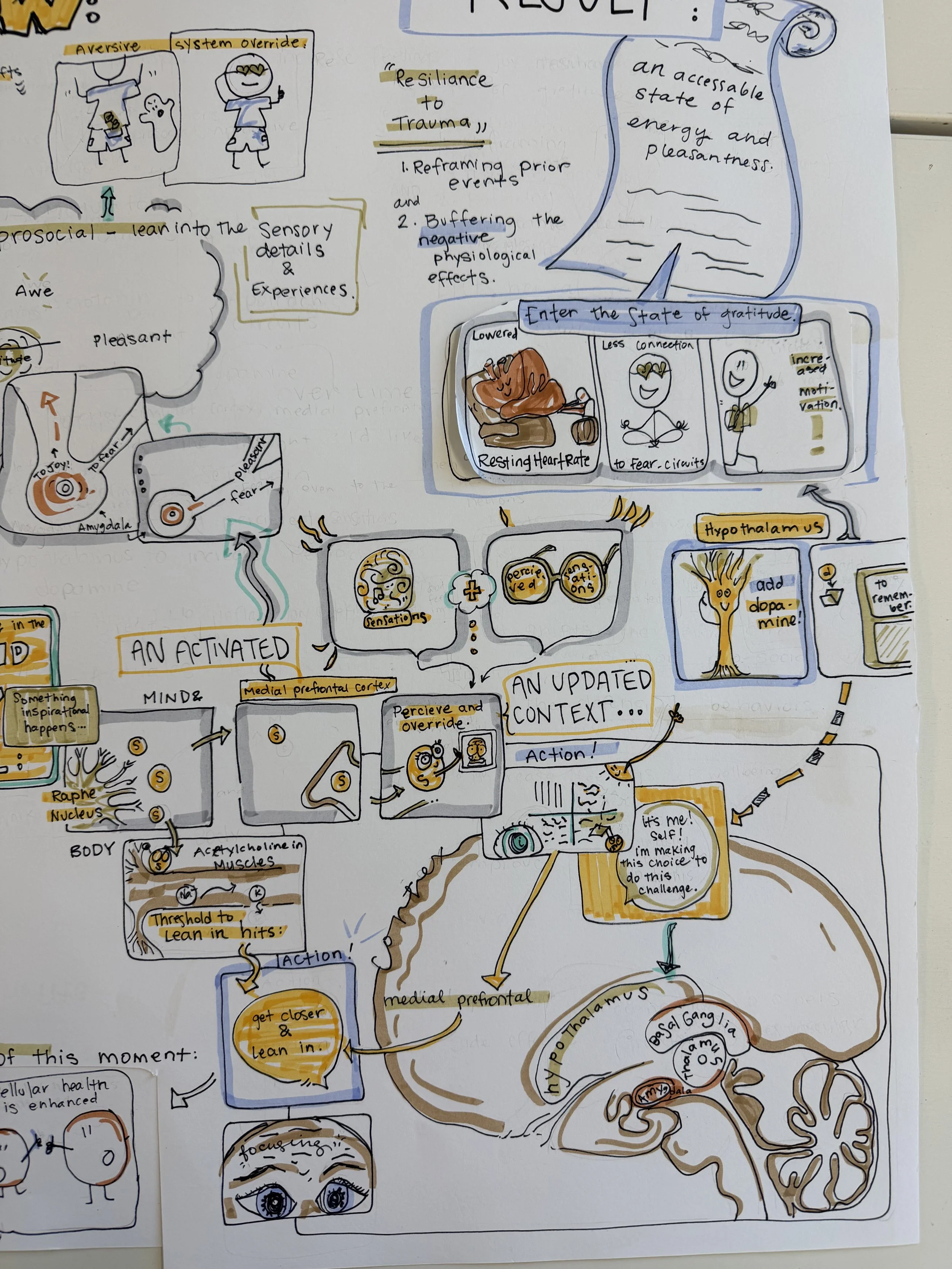
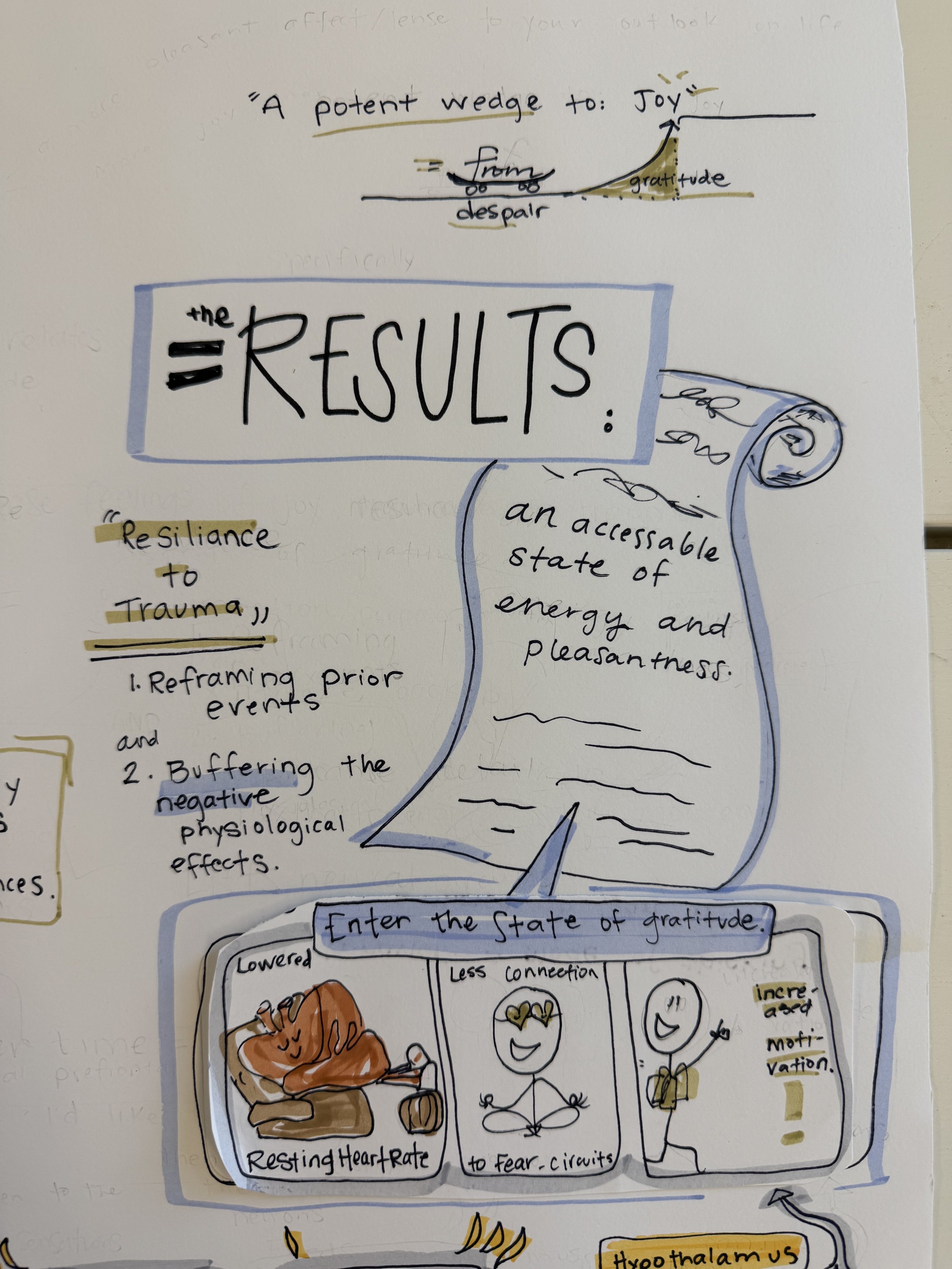
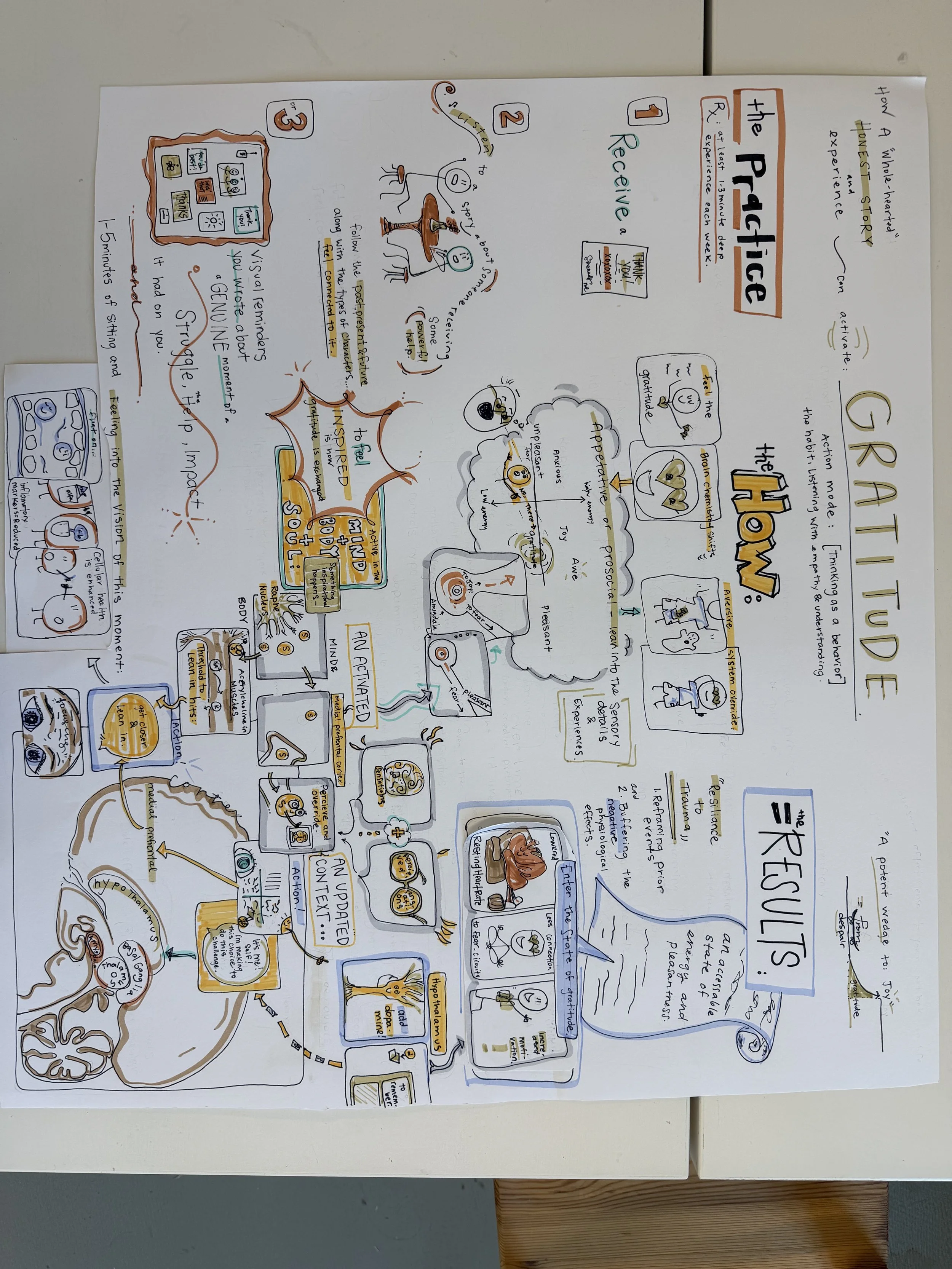
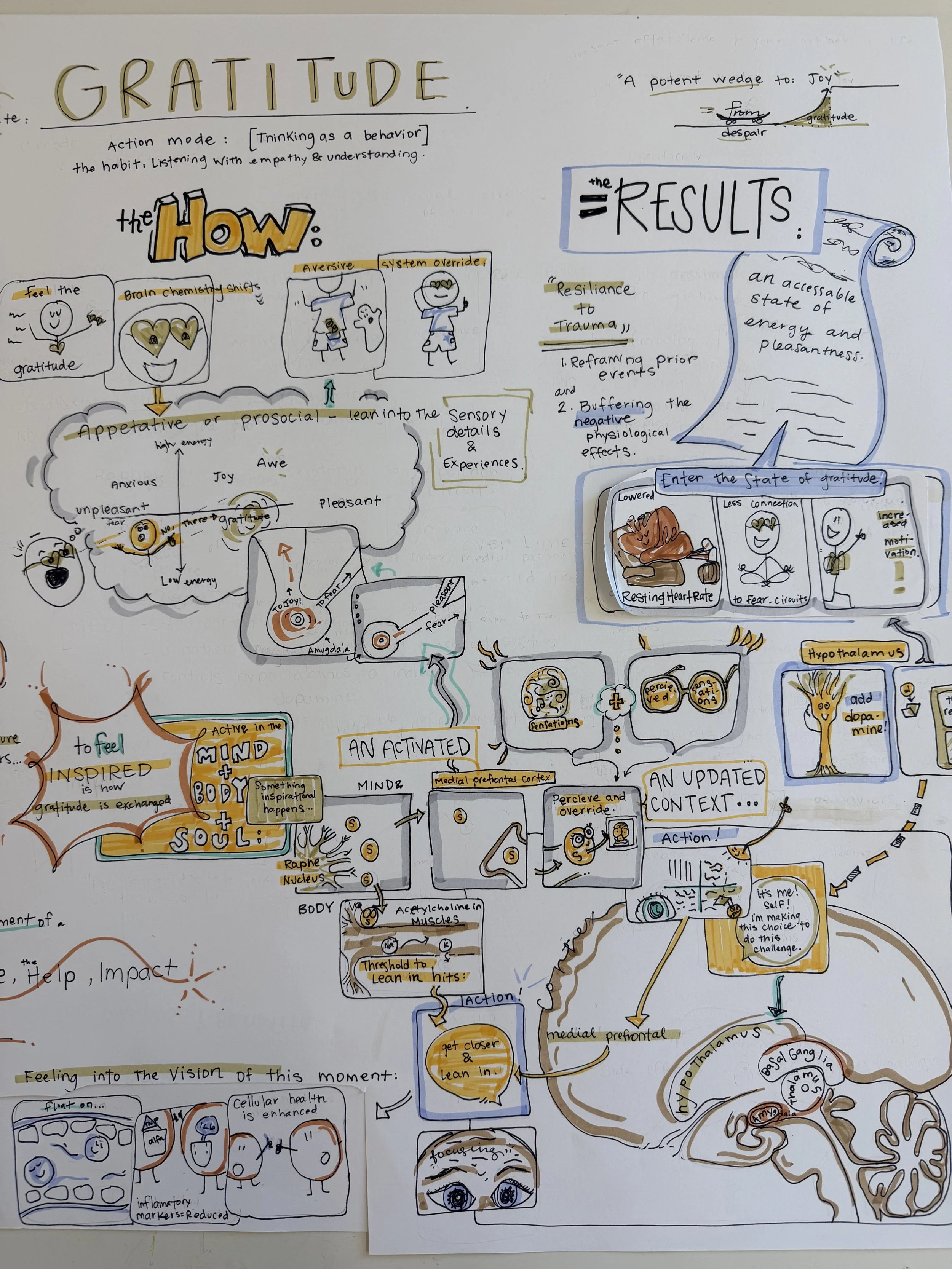
I’ve taken visual notes of the episode on a poster. Ultimately, I’d love to make children’s books for these big ideas and would love to partner with someone for this. If this sounds great to you, let me know! jess@foreveringratitude.org
Within our human rights, we still have the responsibility to choose care. The natural human expansion bargains with ailments that push us away from perfection at the cost of having to choose to correct the misalignment. What I mean here is that ultimately, it is our Self, in the pit, choosing to get up and accept help, and healing becomes further away from our awareness the less we choose it; but it’s actually so close to us. (“I have to override my habits, and choose the healthier path of life; or I die.”) Studies have shown that choosing isolation, and feeling alone for prolonged times does more damage to our physical bodies that smoking cigarettes.
The will to live is in the value of connection, specifically connecting with others. This is why volunteering our time has such a big impact in our communities, we can see people who need help and we can provide help. Our human nature is to find and solve problems, volunteering checks the box. Another example is the perspective Johann Hari Brings to a state of addiction, “the opposite of addiction is not sobriety, it’s connection.” he goes on to say it’s the bonds and responsibilities we have and choose to hold meaning to. Choosing a mindset of gratitude, or rather, choosing the act of thinking about a moment of gratitude is deeply experienced when we are whole-heartedly there for someone, curating a physiological lift in the brains and bodies of those connected to this story of triumph and heroism. This practice of thinking about this memory shifts our general mood to a space of wellbeing and motivation.
Seeing into this idea is a community example of the support of AA( Alcoholics Anonymous, and their 12step program towards recovery). The 4th step is the act of a “fearless inventory” of who we are. Who we are, is a collection of those around us, and what better way to be fearless, than building up our natural state of mind that tips a reactive response away from fear and states of stress to ones of “lean in, and connect.” Choosing to give and receive help and support changes our mindsets enough to build resilience against traumatic experiences that shape our self-image and environment around us. Further, being part of a group gives us something to stand for, and it feel best when it’s actions net positive~ health enhancing.
Living in this experience of connection changes our brain chemistry from living with low energy, motivating and high alarm, into a state of “gratitude.” Sitting into a moment of story every now-and-then that moves your affect to inspired, keeping our reflexive gaze generally elevated; pleasant, and motivated. what is this? It’s the reciprocal feeling of reflexive action, and choosing action. The more me lean in, the more we lean in. Leaning in allows us to connect with others, on a deeper level. It’s not settling for an answer of “good,” or “okay,” when asked, “how’s it going?” This value of connection with others can improve our inner world, making it a more peaceful outer world.
Here are the health enhancing activities related to gratitude, and building values.
Academic- Join or create a book club.
Creative- Choose crafting or cooking a meal with your partner or friends for date night instead of drinks.
Emotional- Empathy is choosing to sit with someone and listen to their story without judgement. Reflect on moments people have done this with you, or you them.
Environmental- Join or create a hiking/walking club
Financial- Volunteer or donate to the food bank or clothing shelters.
Intellectual- Choose to lean into a conversation about how someones day is going. Give them, or yourself the extra two minutes the conversation can evolve to just by saying “say more!”
Physical- Attend a group fitness class, or cooking class.
Spiritual- Participate in a “loving-kindness” meditation.
Social- Call them. Call them to say “hey!” “ check in,” “follow up,” “I miss you!” or tell them about your day.
Ultimately, you get the theme: choose connection, it’s a catalyst for positivity.
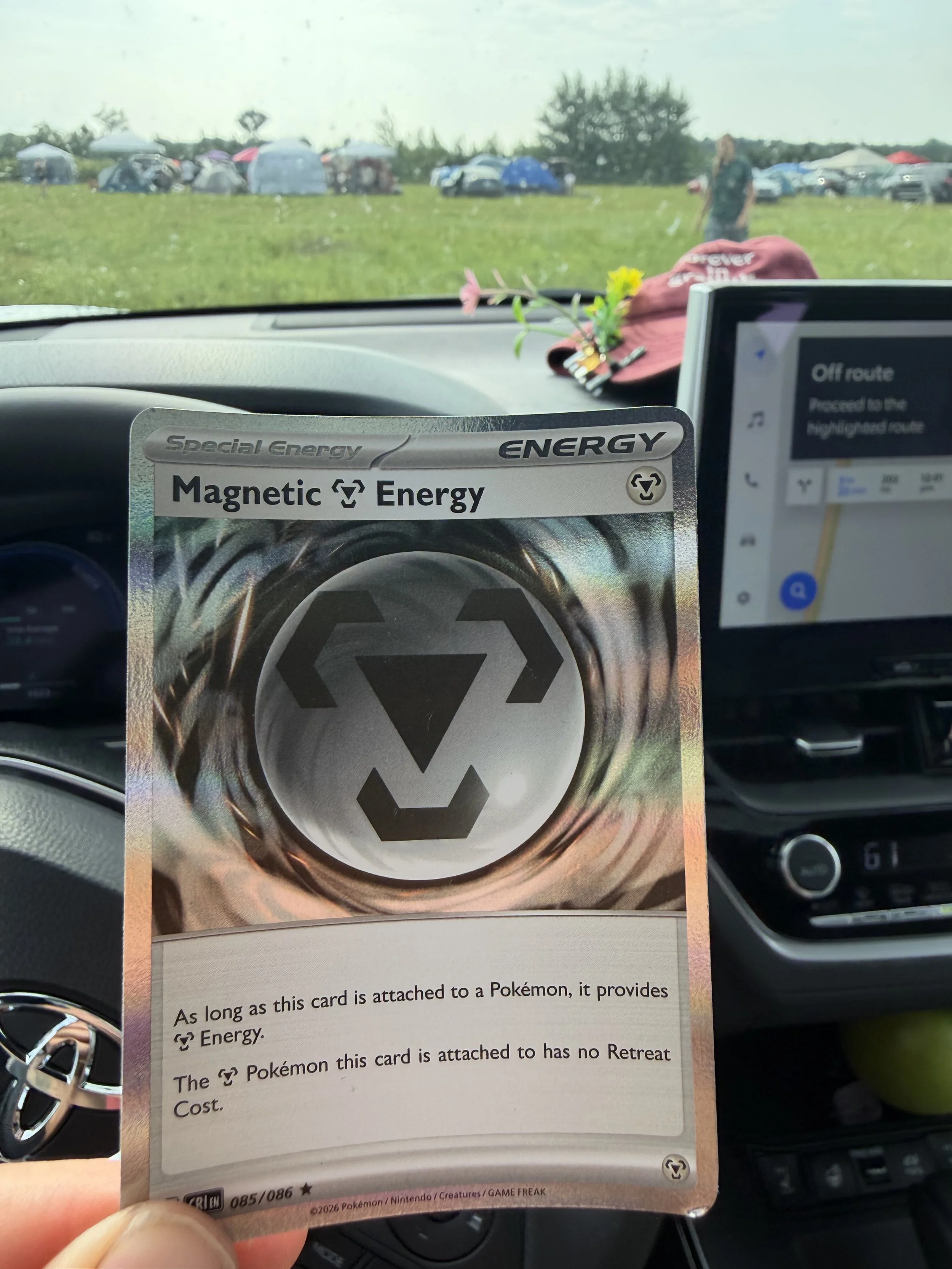
a cherished “trinket” that was given to me at Electric Forest after a beautiful conversation with my new neighbor friends during the storm.